

Trailers Manufacturing in Dubai

1. Introduction:
Trailers play a crucial role in powering the logistics, construction, and transport sectors—three of the most vital pillars of the UAE’s economy. In logistics, trailers such as box trailers and flatbeds are essential for the safe and efficient movement of goods across long distances, whether within city limits or across GCC borders. In construction, heavy-duty trailers are used to transport machinery, raw materials, and prefabricated components to job sites, helping keep projects on schedule. Meanwhile, in the broader transport industry, trailers offer scalable and cost-effective solutions for businesses needing reliable freight mobility. As these sectors continue to expand in Dubai and the region, the demand for high-quality, locally manufactured trailers is stronger than ever.
✅ Image Suggestions:
A high-resolution photo showing two skilled workers in a well-lit industrial facility. One is welding a steel trailer frame, with visible sparks flying, while another is spray-painting the finished section of the frame in a protective coating. Safety gear, such as helmets and gloves, is clearly visible, highlighting professionalism and manufacturing standards.
2:A lineup of different types of trailers (flatbed, box, tanker)
A high-resolution photograph capturing a side-by-side lineup of three distinct trailer types: a flatbed trailer with an open platform, a box trailer (also known as a dry van) with enclosed sides, and a cylindrical tanker trailer designed for transporting liquids. The trailers are parked in an industrial yard under clear skies, highlighting their structural differences and use cases.

3. Types of Trailers Manufactured
Flatbed Trailers:Flatbed Trailers are one of the most commonly manufactured and utilized trailer types in Dubai, known for their open-deck design that allows for easy loading and unloading of heavy or oversized cargo. Ideal for transporting construction materials, machinery, and large equipment, flatbed trailers offer versatility and strength without the limitations of enclosed sides or roofs. In Dubai’s construction and logistics sectors, these trailers are especially popular due to their ability to accommodate various load shapes and sizes, making them a go-to solution for businesses requiring reliable and adaptable transport.
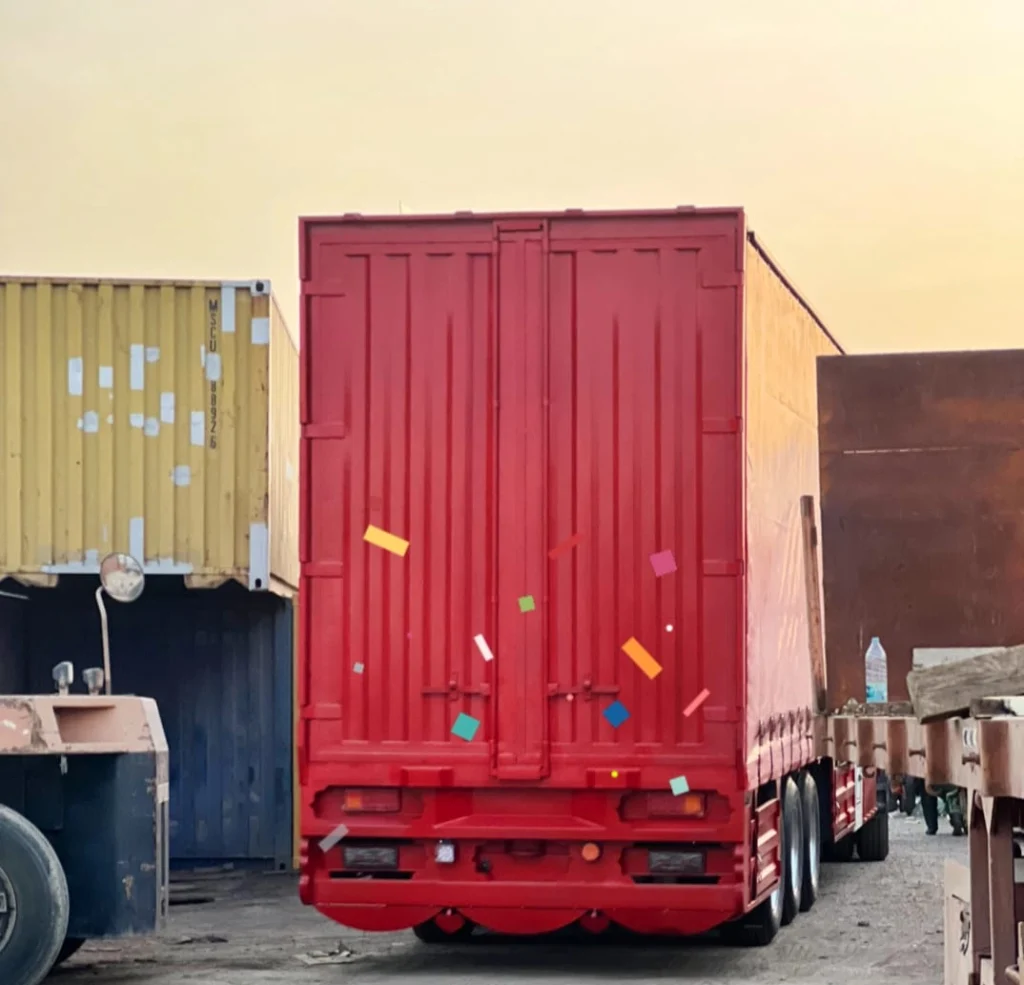
Box Trailers:Box Trailers, also known as enclosed or dry van trailers, are designed to provide secure and weather-protected transportation of goods. In Dubai, these trailers are widely manufactured to meet the growing demand in logistics, retail distribution, and moving services. Their solid walls and lockable doors make them ideal for transporting fragile, high-value, or perishable cargo that needs shielding from dust, heat, and theft. With the ability to be customized in size, shelving, and insulation, box trailers are a top choice for businesses looking for safe and organized cargo delivery solutions across the UAE and GCC region.
Tanker Trailers:Tanker Trailers are specialized trailers designed to transport liquids, gases, and bulk materials, and are an essential part of industries such as oil and gas, chemicals, and food processing. In Dubai, tanker trailers are manufactured with advanced safety features and robust materials to handle hazardous and non-hazardous liquids with precision and reliability. These trailers come in various configurations, such as single-compartment or multi-compartment designs, to meet the specific needs of businesses transporting fuels, water, milk, and other fluids. With stringent regulations and safety standards in place, tanker trailers from Dubai are built to ensure secure and efficient transport, even in the most demanding environments.
4:Common Materials Used in Trailer Manufacturing:
The materials used in trailer manufacturing are crucial for ensuring durability, strength, and safety. In Dubai, trailers are built to withstand the region’s harsh climate and heavy-duty transportation demands. The most common materials used in trailer production include:
Steel
Steel is the most widely used material in trailer construction due to its strength, reliability, and ability to withstand heavy loads. Carbon steel, stainless steel, and galvanized steel are often used to fabricate the chassis and frame of trailers, offering both strength and resistance to corrosion.
Aluminum
Aluminum is a popular choice for manufacturers looking to reduce the weight of trailers while maintaining strength. It is lightweight, corrosion-resistant, and ideal for box trailers or flatbed trailers that need to operate efficiently without the added weight of steel. Aluminum is often used for the body panels, flooring, and some components of the frame.

Mild Steel
Mild steel, a low-carbon version of steel, is often used for parts of the trailer that do not require the strength of high-carbon steel. It’s more affordable and easier to work with, making it an ideal material for non-critical components such as trailer floors and side panels.
Fiberglass
Fiberglass is commonly used for tanker trailers or enclosed box trailers, especially those designed to carry chemicals, liquids, or perishable goods. It is resistant to rust, has good insulation properties, and is lightweight compared to steel, making it a preferred material for specialized applications.
5:Quality and safety regulations (ISO, GCC standards):
In Dubai, trailer manufacturing is held to strict quality and safety standards to ensure that they meet both regional and international requirements. These regulations help guarantee that trailers are durable, safe to operate, and capable of withstanding the rigors of transporting heavy loads across diverse terrains. The following key quality and safety regulations are typically adhered to:
- ISO (International Organization for Standardization) Standards
Trailer manufacturers in Dubai often comply with various ISO standards, ensuring global quality control. Some of the relevant ISO certifications for trailer manufacturing include:
- ISO 9001 (Quality Management Systems): Ensures that trailer manufacturers consistently produce quality products by adhering to best practices in manufacturing processes.
- ISO 3834 (Quality Requirements for Fusion Welding of Metallic Materials): Specifically important for trailer manufacturing, this standard ensures that welding practices meet stringent quality and safety requirements.
- ISO 14001 (Environmental Management Systems): Many manufacturers adhere to this standard to minimize environmental impact during the production of trailers.
- ISO 9001 (Quality Management Systems): Ensures that trailer manufacturers consistently produce quality products by adhering to best practices in manufacturing processes.
- GCC (Gulf Cooperation Council) Standards
Trailer manufacturers in the UAE and broader GCC region are also required to meet specific safety and design standards set by the GCC, which are closely aligned with international norms but tailored to the region’s unique requirements. Key aspects of GCC standards include:
- Safety Compliance: Trailer designs must meet rigorous safety regulations to ensure the safety of both the cargo and the vehicle operators. This includes provisions for brake systems, load distribution, and emergency safety features.
- Technical Specifications: The GCC has clear technical guidelines for trailer design, including load capacities, structural integrity, and materials used, ensuring trailers can handle the region’s extreme temperatures and heavy-duty applications.
- Roadworthiness Tests: Trailers must pass periodic inspections to ensure they remain in safe operating condition, especially regarding the brakes, suspension, and structural health.
- Safety Compliance: Trailer designs must meet rigorous safety regulations to ensure the safety of both the cargo and the vehicle operators. This includes provisions for brake systems, load distribution, and emergency safety features.
- Local Regulatory Agencies
In addition to international and GCC standards, trailers manufactured in Dubai must meet regulations set by local agencies such as the Dubai Roads and Transport Authority (RTA) and the UAE Ministry of Interior. These agencies enforce standards related to registration, vehicle inspection, and road safety.

6. Size and Load Specifications in Trailer Manufacturing:
The size and load specifications for trailers are crucial factors in determining their suitability for different transportation needs. In Dubai, trailer manufacturers offer a variety of options designed to accommodate the diverse requirements of industries such as logistics, construction, and oil & gas. Here’s an overview of common size and load specifications for various trailer types:
- Flatbed Trailers
Flatbed trailers are versatile and commonly used for transporting large, heavy, or oversized cargo. The general size specifications for flatbed trailers in Dubai typically include:
- Length: 12 to 16 meters (standard size), but can be customized up to 20 meters for oversized loads.
- Width: 2.5 meters (standard), though they can extend up to 2.55 meters for wider cargo.
- Height: Typically between 1.5 to 2 meters from the ground.
- Load Capacity: Usually ranging from 20,000 kg to 40,000 kg, depending on the number of axles and design. Heavy-duty variants can handle even more.
- Length: 12 to 16 meters (standard size), but can be customized up to 20 meters for oversized loads.
- Box Trailers
Box trailers (also known as dry vans) offer enclosed spaces for transporting goods that need protection from the elements. Size and load specifications for box trailers in Dubai generally include:
- Length: 6 to 16 meters, with some custom units going up to 18 meters.
- Width: 2.5 meters is the standard, with some variations up to 2.55 meters for larger loads.
- Height: Commonly 2.4 meters, but can be designed to accommodate taller cargo.
- Load Capacity: Typically ranges from 10,000 kg to 30,000 kg, depending on the type of goods being transported. Some heavy-duty models may support higher weights.
- Length: 6 to 16 meters, with some custom units going up to 18 meters.
- Tanker Trailers
Tanker trailers are specifically designed for transporting liquids or bulk materials. The specifications for tanker trailers manufactured in Dubai are highly dependent on the type of cargo being carried:
- Length: Typically ranges from 10 to 16 meters, although custom sizes are available for specialized transport needs.
- Width: Usually around 2.5 meters, but slightly larger units are available depending on cargo type.
- Height: Around 3 meters, though this can vary based on the cargo and regulatory standards.
- Load Capacity: Can vary greatly based on the type of liquid or material being transported, but common capacities include 20,000 liters to 45,000 liters. Some tankers designed for fuel or chemical transport can hold up to 50,000 liters.
- Length: Typically ranges from 10 to 16 meters, although custom sizes are available for specialized transport needs.
- Low Bed Trailers
Low bed trailers are used to transport heavy machinery or oversized equipment. Their design allows for better load distribution and stability during transport. Typical specifications for low bed trailers include:
- Length: Generally between 12 to 18 meters.
- Width: Usually up to 3 meters to accommodate large equipment.
- Height: As low as 0.6 meters to facilitate the safe transport of heavy equipment.
- Load Capacity: These trailers can handle exceptionally heavy loads, ranging from 40,000 kg to over 100,000 kg, depending on the trailer configuration and number of axles.
- Length: Generally between 12 to 18 meters.

7. Cost and Delivery Timeframes:
When it comes to trailer manufacturing in Dubai, lead times and bulk order options play an important role in planning and meeting the transportation needs of businesses. The production timelines can vary depending on the type of trailer, customization requirements, and the manufacturer’s workload. Here’s a general overview:
Lead Times for Trailer Production
The lead time for producing a trailer in Dubai typically ranges from a few weeks to several months, depending on several factors:

- Standard Trailers (Non-Customized)
For basic models like flatbed trailers or box trailers with standard specifications, the lead time is usually between 4 to 6 weeks. These trailers often require minimal customization and can be produced on a faster timeline. - Customized Trailers
Trailers that require specialized modifications, such as custom dimensions, load capacities, or specific features like refrigeration units in box trailers or enhanced suspension systems in tanker trailers, can take 8 to 12 weeks or more to produce. Customizations may involve sourcing specific materials or manufacturing parts that are not readily available, extending the production time. - Heavy-Duty and Specialized Trailers
For large, heavy-duty trailers or those with complex design requirements (e.g., low bed trailers for oversized machinery), lead times can extend beyond 12 weeks. These trailers often involve more detailed engineering, advanced safety features, and heavy material fabrication, leading to longer production periods.
Bulk Order Options
Manufacturers in Dubai are equipped to handle both small and large orders, and bulk orders often come with added benefits:
- Discounted Pricing
For businesses looking to place bulk orders, trailer manufacturers typically offer discounted pricing based on the volume of the order. The more units ordered, the greater the cost savings, making it a viable option for large logistics companies or construction firms. - Flexible Production Schedules
When placing bulk orders, manufacturers may offer flexible delivery schedules to meet specific business needs. Companies can stagger deliveries over time or choose a single delivery date, depending on storage capabilities and transport schedules. - Customization for Bulk Orders
Manufacturers can accommodate large orders that require customization for specific projects or fleets. For example, a logistics company might require a set of box trailers with specific internal shelving configurations or color schemes for branding. Bulk orders allow businesses to standardize their fleet while ensuring that the trailers meet their operational requirements. - Priority Production for Urgent Bulk Orders
Some manufacturers may offer priority production services for businesses that need trailers urgently. This can significantly reduce lead times for bulk orders, especially when there’s a time-sensitive project that requires numerous trailers at once.

8.Conclusion:
The trailer manufacturing industry in Dubai plays a vital role in supporting various sectors such as logistics, construction, and transportation. With a wide range of trailer types—from flatbed to box and tanker trailers—manufacturers in Dubai provide tailored solutions to meet the diverse needs of businesses. Adhering to stringent quality standards such as ISO certifications and GCC regulations, these manufacturers ensure that their products are durable, safe, and compliant with both local and international requirements.
When choosing a trailer manufacturer, it’s essential to consider factors such as certifications, past client experience, customer reviews, and after-sales support. By doing so, businesses can ensure they select a reliable and trusted partner for their trailer needs.

Whether you’re looking for a customized trailer or need to place a bulk order, Dubai’s trailer manufacturers are equipped to deliver high-quality products that meet your specific operational requirements, helping you stay competitive in the market.
9:Meta Description:
Explore the trailer manufacturing industry in Dubai, including the types of trailers available, key materials used, quality and safety standards, and essential factors to consider when choosing a manufacturer. Learn about lead times, bulk orders, and certifications to make informed decisions for your business.