

Trailer Safety Standards in the UAE
When it comes to road compliance and uptime, understanding trailer safety standards in the UAE is essential. Whether you operate flatbeds, lowbeds, box, or skeleton trailers, following the right rules protects your drivers, cargo, and brand reputation—while avoiding costly fines or downtime.
Why Safety Standards trailer safety standards in the UAE Matter
Safety standards create a consistent baseline for roadworthiness. They cover lighting, reflectors, braking performance, tires, axle loads, coupling integrity, and overall vehicle condition. For operators, this translates to fewer incidents, predictable maintenance, and better insurance outcomes.
Core Safety Requirements (High-Level)
- Braking & Suspension: Brakes must be responsive and balanced across axles; suspension and bushings should be free of excessive play.
- Lights & Reflectors: All indicators, tail lamps, brake lights, side markers, and reflectors must be functional and visible.
- Tires & Wheels: Adequate tread depth, correct load rating, no sidewall damage, and properly torqued wheel nuts.
- Load Securement: Use appropriate chains, straps, twist-locks, or lashing points; no overhang beyond legal limits without proper marking.
- Coupling & Kingpin: Check wear limits, locking integrity, air/electrical lines, and emergency breakaway.
- Dimensions & Axle Loads: Stay within legal width/height/length; respect gross and per-axle limits to protect roads and brakes.
For official guidance, review the UAE authorities’ resources, such as Dubai RTA and the federal portal for Transportation & Logistics: rta.ae and u.ae.
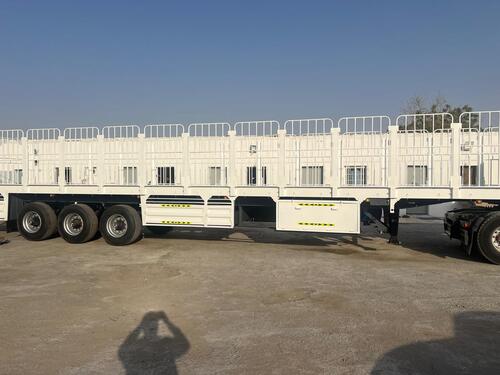
Build Right, trailer safety standards in the UAE Maintain Right
A safe trailer starts with solid engineering and quality materials. Explore build options on our Trailers page—from high-tensile frames to robust running gear designed for UAE conditions. After delivery, consistent care keeps safety systems reliable. Our After-Sales Service in Sharjah supports inspections, brake service, lighting repairs, and genuine spares.
Your Safety Checklist (Quick Wins)
- Daily Walk-Around: Lights, tires, leaks, lashing points, and number plates.
- Weekly Checks: Brake lines, slack adjusters, torque on wheel nuts, and coupling wear.
- Before Every Load: Verify weight, center of gravity, and lashing plan; re-check after 50–100 km.
- Documentation: Keep inspection records and maintenance logs ready for roadside checks.
- Driver Training: Ensure drivers know safe loading, cornering with high CG loads, and emergency procedures.
Spec for Compliance (When Ordering)
When ordering a new trailer, ask for:
- Certified braking components and correct ABS/EBS configuration where applicable.
- High-visibility markings, conspicuity tape, and compliant lighting positions.
- Load-rated lashing gear and clearly marked anchor points.
- Corrosion-resistant coatings for durability in heat and humidity.
- Dimensional drawings & weight calculations for permit and registration.
Final Thoughts
Staying on top of trailer safety standards in the UAE is a smart investment, as it reduces risk, protects people, and keeps your fleet productive. Ready to upgrade or inspect your trailers? Reach out via Contact Us, and our team will help you spec, service, and certify with confidence.
Conclusion
In conclusion, following trailer safety standards in the UAE is not just a legal requirement—it’s a way to ensure smooth operations, protect lives, and build trust in your business. By maintaining your trailers, training drivers, and choosing a trusted manufacturer like Venus Trailers, you stay compliant and ahead in the transport industry.