
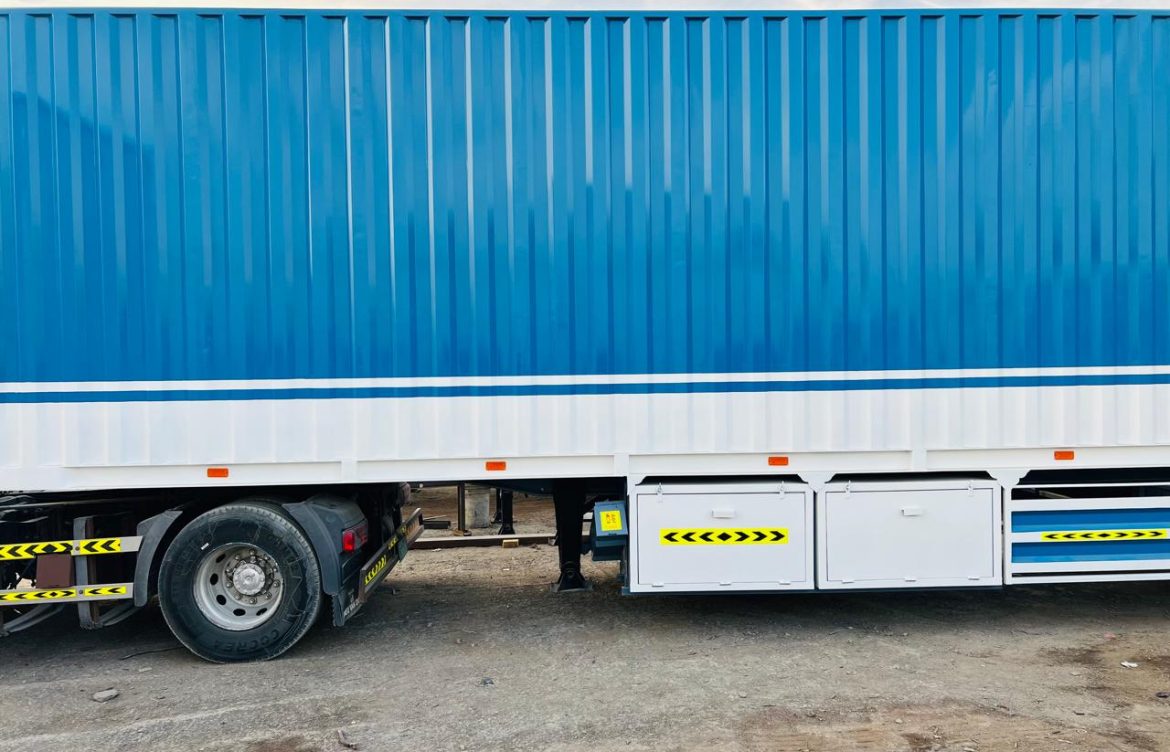
Trailer Manufacturing Process in UAE: From Design to Delivery
The trailer manufacturing process in the UAE is known for its precision, durability, and strict quality control. With the UAE serving as a major logistics and transport hub for the Middle East, Dubai, and Sharjah, trailer manufacturers must meet high expectations for performance, safety, and long-term reliability. From flatbed and box trailers to skeleton and lowbed trailers, every unit goes through a carefully planned manufacturing journey.
In this guide, we’ll walk you through the complete trailer manufacturing process in the UAE, explaining each stage simply and practically.
Understanding the UAE Trailer Manufacturing Industry
The UAE’s transport and logistics sector depends heavily on trailers for construction, ports, oil & gas, retail distribution, and cross-border trade. Manufacturers in the UAE design trailers to handle extreme heat, heavy loads, and long-distance operations.
Companies like Venus Trailers Manufacturing in Sharjah focus on building trailers that comply with UAE road regulations while meeting the specific needs of local and international clients.
https://venustrailers.com)
Step 1: Trailer Design and Engineering
Every trailer starts with a design phase. Engineers work closely with customers to understand load capacity, cargo type, road conditions, and operational requirements.
During this stage, manufacturers:
- Select trailer type (flatbed, skeleton, box, lowbed, etc.)
- Calculate load distribution and axle placement
- Design chassis strength and frame geometry
- Ensure compliance with UAE transport regulations
Modern trailer manufacturing in the UAE often uses CAD (Computer-Aided Design) software to improve accuracy and reduce material waste.
Step 2: Material Selection and Quality Control
High-quality materials play a critical role in trailer durability. UAE manufacturers usually select:
- High-tensile steel for chassis and frames
- Anti-corrosion coatings for long life
- Heavy-duty axles, suspension systems, and braking components
Because trailers operate in harsh desert climates, manufacturers pay special attention to rust resistance and heat tolerance.
To learn more about material standards, manufacturers often follow international benchmarks such as ISO quality systems.
https://www.iso.org)
Step 3: Chassis Fabrication, Trailer manufacturing process in the UAE, and Cutting
Once materials arrive, fabrication begins. Skilled technicians cut steel components using plasma or laser cutting machines to achieve precise dimensions.
At this stage:
- Main beams and cross members are prepared
- Frame components are aligned accurately
- Structural integrity is checked before welding
This step forms the backbone of the trailer manufacturing process in the UAE.
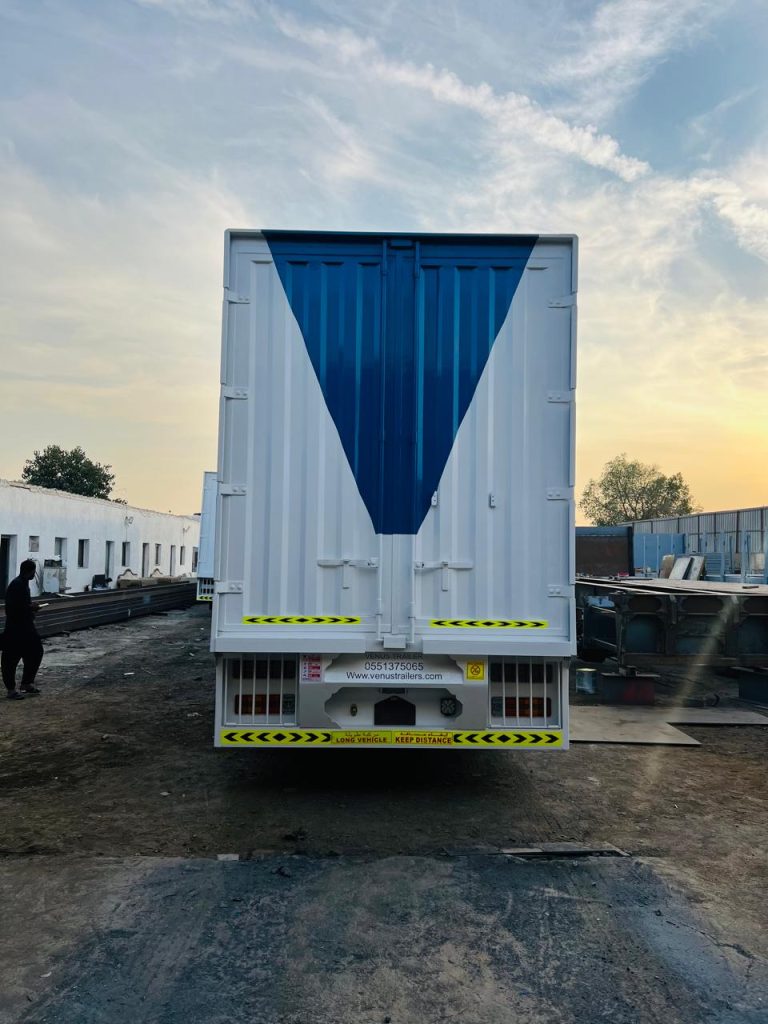
Step 4: Welding and Structural Assembly
Welding is one of the most important stages in trailer manufacturing. Certified welders assemble the chassis using MIG or arc welding techniques to ensure strength and consistency.
Manufacturers focus on:
- Strong weld joints
- Even weight distribution
- Minimal stress points
In reputable UAE factories, supervisors inspect welds regularly to maintain safety standards and prevent future structural failures.
Step 5: Axle, Suspension, and Brake Installation
After completing the frame, technicians install mechanical components, including:
- Axles and suspension systems
- Air or hydraulic braking systems
- Kingpins and landing legs
These components directly affect trailer performance on UAE highways and industrial routes. Proper installation ensures smooth handling and reduced maintenance costs.
Step 6: Surface Treatment, Painting, and Coating
To protect trailers from corrosion and extreme temperatures, manufacturers apply surface treatments before painting.
This stage includes:
- Shot blasting or sandblasting
- Primer coating for rust prevention
- Final paint layers for durability and branding
Many UAE manufacturers also offer custom colors and company logos, especially for fleet operators and logistics companies.
Step 7: Electrical, Lighting, and Safety Features
Next, technicians install electrical wiring and safety systems, such as:
- LED tail lights and side markers
- Reflective tapes
- ABS and EBS braking sensors (if required)
These features help trailers comply with UAE road safety regulations and improve night-time visibility.
Step 8: Final Assembly and Trailer Manufacturing Process in the UAE Inspection
Before delivery, the trailer goes through a complete inspection process. Quality control teams check:
- Structural strength
- Brake performance
- Electrical systems
- Dimensions and weight limits
Manufacturers often test trailers under load conditions to ensure they perform well in real-world operations.
This final inspection phase ensures that the trailer manufacturing process in the UAE consistently delivers high-quality products.
Step 9: Certification and Road Compliance
UAE trailer manufacturers must meet local authority requirements before handing over the trailer to the customer. This may include:
- RTA or relevant transport authority approval
- Load certification
- Compliance with GCC standards
This step guarantees that the trailer can operate legally on UAE roads.
Step 10: Delivery and After-Sales Support
Once approved, manufacturers deliver the trailer to the customer or logistics partner. Reputable companies also provide:
- Maintenance guidance
- Spare parts support
- Repair and modification services
Strong after-sales service adds long-term value and builds customer trust.
Why the Trailer Manufacturing Process in the UAE Stands Out
The UAE combines advanced manufacturing technology with skilled labor and strict quality control. This approach enables local manufacturers to compete with international brands while offering faster delivery and customization options.
By choosing a UAE-based manufacturer, businesses benefit from:
- Climate-optimized designs
- Faster turnaround times
- Local regulatory compliance
- Long-term operational reliability
Final Thoughts
The trailer manufacturing process in the UAE follows a well-structured path that prioritizes safety, durability, and performance. From design and fabrication to testing and delivery, each step adds value to the final product.
Whether you need trailers for construction, logistics, ports, or retail distribution, understanding this process helps you make informed decisions and choose the right manufacturing partner.