
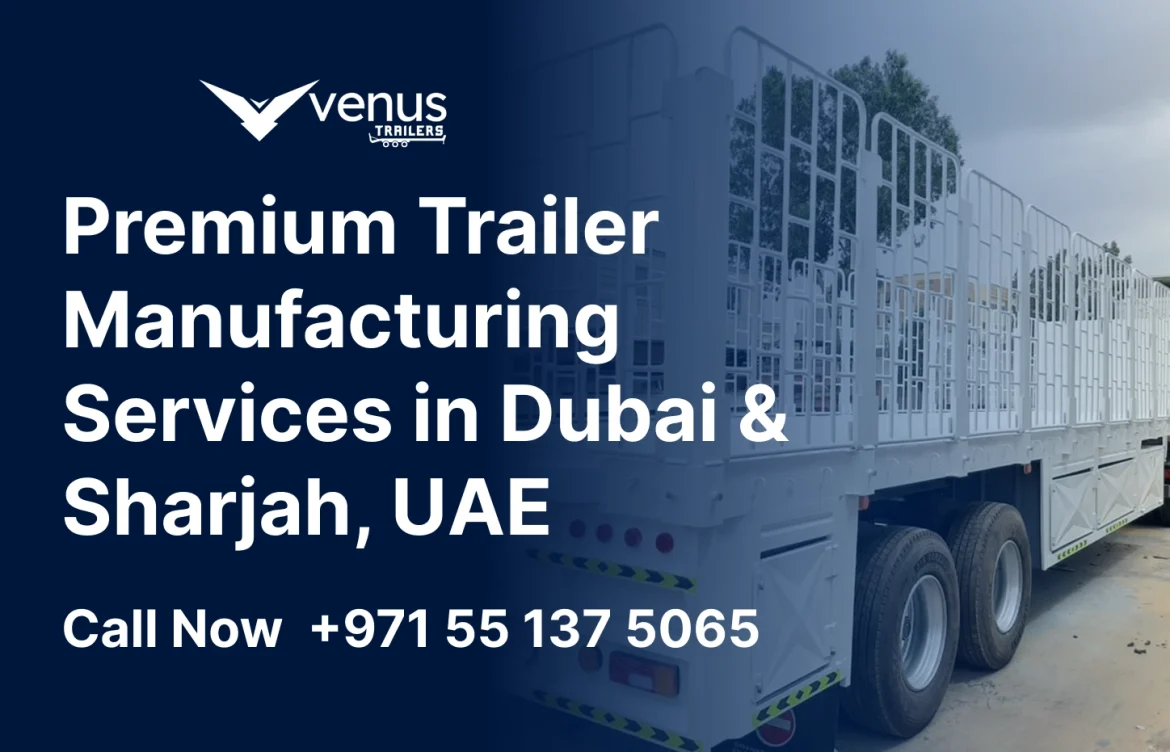
Maintain Trailers Made in Sharjah by Venus Trailers | UAE Guide
How to Maintain Trailers Made in Sharjah by Venus Trailers
Trailers are mission-critical assets for logistics operators, construction contractors, oil & gas companies, infrastructure developers, and government fleets across the UAE. From port operations in Jebel Ali to heavy equipment transport projects in Abu Dhabi and Ras Al Khaimah, reliability is non-negotiable.
Trailers made in Sharjah by Venus Trailers are engineered specifically for the demanding climate and heavy-duty applications of the region. However, even the most robust semi trailer or industrial trailer requires structured maintenance to deliver consistent performance, regulatory compliance, and long service life.
This comprehensive guide explains how to properly maintain heavy duty trailers, reduce downtime, improve safety, and protect your long-term investment—based on best practices in trailer engineering and fleet transport solutions.
Why Preventive Maintenance Is Critical for Heavy-Duty Trailers in the UAE
Preventive maintenance is far more cost-effective than emergency repairs. In commercial operations, a single breakdown can disrupt supply chains, delay project timelines, and damage your company’s reputation.
In the UAE, trailers operate under:
- Extreme heat exceeding 45°C
- High humidity in coastal cities like Dubai and Fujairah
- Sand, dust, and abrasive conditions
- Heavy-load and long-haul transportation
These environmental factors accelerate wear on structural components, braking systems, suspension assemblies, and electrical wiring.
A structured maintenance strategy offers several measurable benefits:
| Benefit | Operational Impact |
|---|---|
| Reduced downtime | Improved fleet availability |
| Regulatory compliance | Fewer fines and inspections delays |
| Lower lifecycle costs | Fewer major component replacements |
| Improved fuel efficiency | Proper alignment and tire wear |
| Higher resale value | Documented service history |
As a leading commercial trailer manufacturer in the UAE, Venus Trailers designs equipment for durability—but ongoing care ensures that performance is sustained over 10–15 years or more.
Understanding Your Trailer Type and Maintenance Needs
Different trailer categories require specialized inspection and servicing routines. A low bed trailer transporting excavators will require different attention compared to a curtain side unit used for FMCG logistics.
Venus Trailers manufactures:
- Semi Trailers
- Flatbed Trailers
- Skeletal Trailers
- Low Bed Trailers
- Box Trailers
- Curtain Side Trailers
- Fuel Tank Trailers
- Water Tank Trailers
- Tipper Trailers
- Cement Bulkers
- Custom-Built Industrial Trailers
Maintenance Differences by Trailer Type
| Trailer Type | Key Maintenance Focus Areas |
|---|---|
| Flatbed Trailer | Deck integrity, load securing points, chassis welds |
| Skeletal Trailer | Twist locks, container locking systems |
| Low Bed Trailer | Suspension, axle alignment, hydraulic ramps |
| Curtain Side Trailer | Curtain fabric tension, rail systems |
| Fuel / Water Tank Trailer | Tank integrity, valves, seals, pressure testing |
| Tipper Trailer | Hydraulic systems, hinge points, body alignment |
| Cement Bulker | Air compressor systems, discharge valves |
Understanding your trailer’s engineering design allows your maintenance team to prioritize high-risk components and prevent structural fatigue.
Recommended Maintenance Schedule for Industrial Trailers
Fleet managers should implement a tiered inspection system based on operating hours and mileage.
Daily (Pre-Trip) Inspection
Drivers should conduct structured checks before every trip:
- Tire pressure and visible damage
- Brake lights and indicator functionality
- Air leaks or brake pressure inconsistencies
- Loose fasteners or visible structural cracks
- Coupling system and fifth wheel locking
Even five minutes of disciplined inspection can prevent major failures on Sheikh Zayed Road or desert transport routes.
Weekly Inspection
Maintenance staff should perform more detailed technical checks:
- Brake chamber condition
- Suspension bushings
- Axle alignment
- Electrical connectors
- Landing leg function
- Lift axles (if installed)
Monthly & Quarterly Service
Professional servicing should include:
- Brake lining measurement
- Wheel hub greasing
- Full torque verification
- Hydraulic system inspection
- Steel structure crack testing
- Corrosion inspections
For heavy equipment transport fleets operating between Dubai and Abu Dhabi, increased inspection frequency is recommended due to high-load stress conditions.
Structural Integrity and Chassis Maintenance
The chassis is the backbone of every heavy duty trailer. Structural fatigue is one of the costliest and most dangerous failures in fleet operations.
What to Inspect
- Weld seams
- Cross members
- Kingpin assembly
- Load-bearing beams
- High-stress areas near axles
Look for:
- Hairline cracks
- Rust blistering
- Warping or bending
- Paint flaking (may indicate stress underneath)
Since trailers made in Sharjah by Venus Trailers are fabricated using high-grade steel with precision welding techniques, early defect detection is rare—but regular inspection prevents minor issues from escalating.
Suspension, Axles, and Brake System Care
The suspension and braking system carry the full operational load of your trailer.
Suspension System Maintenance
UAE road conditions include both smooth highways and rugged construction zones. This variation creates stress cycles that affect:
- Air suspension bags
- Leaf springs
- Shock absorbers
- Equalizers and bushings
Replace worn bushings immediately, as delayed repairs lead to uneven tire wear and unstable handling.
Brake System Checks
Trailer brake failure poses high regulatory risk in the UAE. Regularly inspect:
- Brake pads and linings
- Drums and discs
- Air brake compressors (for tankers and bulkers)
- Brake chambers
- ABS systems
If you operate fuel tank trailers or cement bulkers, ensure air pressure systems are tested for leaks and calibrated for consistent force distribution.
Tire and Wheel Management for Fleet Efficiency
Tires significantly influence fuel efficiency and operational costs.
Best Practices
- Maintain manufacturer-recommended PSI.
- Rotate tires at scheduled intervals.
- Monitor tread depth monthly.
- Inspect for uneven wear patterns.
Uneven tread may indicate:
- Misaligned axles
- Suspension imbalance
- Overloading
- Improper load distribution
For skeletal trailers used in container transport between ports and inland warehouses, balanced weight distribution dramatically reduces tire wear.
Corrosion Protection and Exterior Care in Coastal UAE Cities
In Dubai, Sharjah, and Fujairah, salt-laden air accelerates oxidation. Corrosion weakens structural steel and lowers resale value.
Preventative Measures
- Regular high-pressure washing
- Immediate touch-up painting
- Application of protective coatings
- Undercarriage cleaning
- Inspect electrical wiring insulation
Venus Trailers applies protective industrial coatings during trailer fabrication, but additional owner-side maintenance strengthens long-term durability.
Electrical Systems and Compliance
Trailer lighting failures lead to fines and failed inspections.
Electrical maintenance checklist:
- Test tail lights and side indicators
- Check wiring harness for abrasion
- Confirm ABS sensor connections
- Inspect connectors between tractor and semi trailer
- Replace damaged protective tubing
Modern fleet transport solutions increasingly integrate telematics and monitoring systems. If your custom trailer design includes advanced electronics, ensure wiring inspections are incorporated into scheduled servicing.
Load Management and Operational Discipline
Even the best trailer engineering cannot compensate for incorrect loading practices.
Safe Load Management Principles
- Never exceed rated payload capacity
- Distribute weight evenly across axles
- Secure cargo using certified restraints
- Inspect tie-down anchor points
- Avoid concentrated loads in one deck section
Overloading shortens suspension lifespan and increases brake strain. Heavy transport operators moving industrial equipment between Emirates must train drivers in proper axle load compliance to avoid penalties.
Professional Servicing and Manufacturer Support
Daily checks protect against visible defects, but deeper structural or hydraulic issues require expert diagnostics.
Working with an experienced trailer supplier UAE partner ensures:
- Access to genuine components
- Proper torque specifications
- Compliance with UAE transport laws
- Engineering-level inspections
- Structural reinforcement if needed
Many logistics companies prefer a full-service commercial trailer manufacturer that offers both production and after-sales support. This integrated approach protects fleet continuity and simplifies spare parts supply.
Common Trailer Maintenance Mistakes to Avoid
Even experienced fleet operators sometimes overlook key areas.
- Ignoring minor rust spots
- Skipping brake adjustments
- Delaying tire replacement
- Over-greasing or under-greasing
- Welding structural cracks without engineering assessment
- Using non-certified hydraulic parts in tipper trailers
Each of these shortcuts increases long-term capital expenditure and operational risk.
Why Trailers Made in Sharjah by Venus Trailers Deliver Long-Term Value
Venus Trailers has established itself as a trusted name in trailer manufacturing UAE due to:
- Precision structural fabrication
- Heavy-duty steel construction
- Custom trailer engineering capabilities
- Regional regulatory compliance
- Fleet-focused design
- Support across Dubai, Abu Dhabi, Sharjah, and other Emirates
With proper maintenance, these trailers reliably support industries such as construction, logistics, oil & gas, cement transport, and heavy equipment transport across the UAE.
Frequently Asked Questions
1. How often should trailers made in Sharjah by Venus Trailers be serviced?
Most heavy duty trailers should undergo basic inspections daily, weekly technical checks, and professional servicing every 3 to 6 months depending on usage intensity. For fleets operating between Dubai and Abu Dhabi under high load conditions, quarterly professional inspections are recommended. Trailers used for oil & gas or cement bulker applications may require more frequent air system and structural checks. Following a documented maintenance schedule significantly reduces unexpected downtime.
2. What is the most common cause of trailer breakdowns in the UAE?
The most common causes include neglected brake systems, tire blowouts due to extreme heat, air suspension failures, and corrosion issues in coastal regions. In many cases, breakdowns result from skipped preventive inspections rather than manufacturing faults. Even high-quality semi trailers require routine servicing to maintain safety and efficiency under UAE climate conditions.
3. How can I extend the lifespan of a heavy-duty semi trailer?
To extend service life, consistently monitor tire pressure, lubricate moving components, inspect structural welds, maintain corrosion protection, and avoid overloading. Working with a reputable trailer supplier UAE partner for genuine spare parts also ensures compatibility and long-term durability. A properly maintained industrial trailer can exceed 15 years of dependable service.
4. Are tank trailers more difficult to maintain than flatbed trailers?
Yes, fuel and water tank trailers require more technical inspections due to pressure systems, valves, discharge lines, and internal tank integrity requirements. They must also meet stricter safety regulations. Preventive maintenance for a tank trailer includes pressure valves, seals, pump operation, and corrosion checks. Flatbed trailers are structurally simpler but still require routine brake and suspension servicing.
5. What maintenance records should fleet managers keep?
Fleet managers should maintain digital or physical logs documenting inspection dates, brake servicing, tire replacements, welding repairs, hydraulic servicing, and parts replacements. These records improve resale value and demonstrate compliance during government inspections. Organized documentation also helps procurement managers track lifecycle costs.
6. Can improper loading damage a custom-built trailer?
Absolutely. Even a custom trailer design engineered for heavy equipment transport can suffer structural fatigue if cargo weight is unevenly distributed or exceeds rated limits. Incorrect loading causes axle stress, suspension imbalance, and premature tire wear. Proper driver training is critical in preventing long-term structural damage.
7. Is professional servicing necessary if daily inspections are performed?
Yes. Daily inspections identify visible problems, but professional technicians assess hidden components such as internal brake wear, structural stress points, and hydraulic calibrations. Partnering with an experienced commercial trailer manufacturer ensures your fleet meets UAE safety standards and engineering specifications.
Conclusion
Maintaining trailers made in Sharjah by Venus Trailers is not simply a technical requirement—it is a strategic business decision. From structural inspections and brake servicing to corrosion control and proper load management, disciplined maintenance protects your assets and ensures reliable fleet transport solutions across the UAE.
With the region’s harsh operating environment, preventive maintenance is the difference between profitable operations and costly downtime. By combining driver-level inspections with professional manufacturer support, fleet owners can maximize performance, safety, and long-term value.
Request a Free Trailer Consultation
If you operate a logistics fleet, construction transport division, or industrial transport business, Venus Trailers offers expert guidance tailored to your operational needs.
Contact Venus Trailers today for:
- Expert trailer recommendations
- Custom trailer design consultation
- Manufacturing advice
- Project quotations
- Fleet expansion planning
Venus Trailers proudly serves customers across Dubai, Sharjah, Abu Dhabi, Ajman, Ras Al Khaimah, Fujairah, Umm Al Quwain, and the wider UAE.
Speak with our engineering team to ensure your trailers are built—and maintained—for long-term performance and reliability.